

Scootering: growing a scooter rental business by $500,000+, and what happened after
Client location: Leichhardt, Sydney NSW
- Initial growth of $500,000+, then a $1M+ business once the second location opened in Melbourne
- Fleet grew from 110 to 200+ scooters in six months
- Featured Google result for “Uber Eats Scooter Rental,” outranking Uber itself
- Average rental price held at $120 against a market discounting to $80-$90, saving $150,000+ in six months by not following competitors down on price
- A genuinely honest account of what happened after the engagement ended


I really recommend to anyone who would like to increase sales and find a better, easier and more efficient way of managing your business."

Paul Wojtek started Scootering in mid-2018 and spent nearly a year relying on local students and online freelancers to run his marketing, with over $2,000 a month going to Google Ads and no real way to know whether any of it was working. With a garage full of scooters and no growth, he brought me on for a six-month project running from August 2019 to February 2020.
What I found, and what I recommended instead
Paul’s instinct was to drop prices to match competitors, some up to 30% cheaper, and lean on social media gimmicks. After a proper look at the competitive landscape, I recommended the opposite: a measured, long-term approach built on genuine discoverability and SEO, not a race to the bottom on price.
What the data actually showed:
- Little to no real website traffic, and Paul had no visibility into it
- Total reliance on Gumtree and Google Ads to generate any leads
- Weak brand presentation with no clear point of difference
- Zero visibility as a “scooter rental” option in Sydney search results at all
- More than 20 scooters sitting idle in the garage
With a budget under $10,000, I rebuilt the website, developed a genuine SEO program, optimised the Google Business Profile, reworked social media, rebuilt the Google Ads campaigns, and secured listings on high-profile local sites like Sydney.com. The strategic insight underneath all of it: tapping into the genuine growth of food delivery platforms like Uber Eats, and building content around the specific reasons people actually wanted to rent a scooter, not just “scooter rental” as a generic category.
What I actually did
- Website design, development and content creation
- Keyword research, competitor analysis, and brand positioning
- Facebook and LinkedIn profile optimisation
- Google Business Profile optimisation
- Google Analytics and Search Console integration
- Listings across Bing, Yelp, Sydney.com and other relevant directories
- New in-store signage and business materials
- Rebuilt Google Ads campaigns
- An audit of 30+ online booking platforms to move the business toward automated bookings
The results

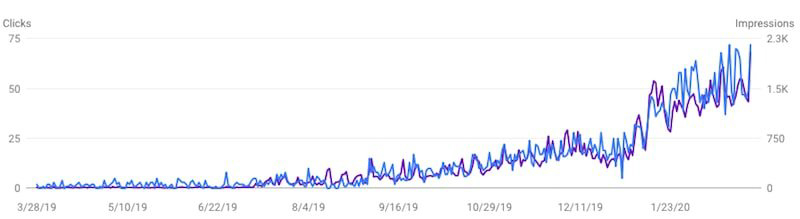
- Fleet grew from 110 to over 200 scooters within six months
- Average rental price held at $120 against a market discounting to $80-$90, a deliberate decision that saved over $150,000 in six months by not chasing competitors down on price
- Over 37,000 pageviews, 85% from Australian visitors, averaging more than 2 minutes per session
- Over 12,000 website visitors, with less than 40% from paid sources
- Over 21,000 Google Business Profile impressions and 350+ phone calls across the final quarter
- A featured Google result for “Uber Eats Scooter Rental,” outranking not just direct competitors but Uber itself
- Search impressions up 350% quarter on quarter
- First-page rankings across more than 10 keywords, including “Scooter Rental Sydney” (avg #3) and “Best Scooter for Food Delivery” (avg #1)
- 35% reduction in Google Ads spend alongside a 6% average click-through rate
This is the same insight I’ve written about separately: rather than compete on the single most obvious keyword, I built content around the specific problems real customers had, in this case, people wanting to earn money doing food delivery, which is exactly what let Scootering outrank a much bigger, more established brand.


What Paul actually said
“Paul D’Ambra’s marketing is a great way of getting your business on the right track and you can be sure of great results. He is very honest and gives more of himself than what’s written in the contract. I really recommend him to anyone who would like to increase sales and find a better, easier and more efficient way of managing their business.”
Paul Wojtek, Director, Scootering
What happened after the engagement ended
I want this case study to be honest, not just a highlight reel, because what happened next is a genuinely useful lesson.
After the contract ended, Scootering brought SEO in-house and engaged a different contractor. One of that contractor’s first moves was to inject the website with more than 2,000 pages of motorcycle and scooter parts content, an attempt to game Google’s algorithm by flooding the site with loosely related material.
It backfired exactly as you’d expect: visitors landing on those pages quickly realised the content wasn’t legitimate and left immediately, driving bounce rates up and signalling to Google that the site wasn’t delivering what people actually wanted. It also carried a real risk of a Google manual action penalty, which can remove a site from Google’s index entirely, and left the brand looking, frankly, spammy to anyone who landed on those pages.
Even though I was not contracted at the time, I flagged it directly and the pages were eventually removed, but not before leaving a mess of broken links behind.
As of the last update I have, Scootering no longer holds the same first-page positions it did during the original engagement, the tactics that built them weren’t continued and new competitors have since entered the category. The business shifted back toward price-based competition, the Melbourne location has since closed and while the fleet expanded into motorcycles, that category was never built out in search the way the original scooter content was, leaving the business reliant on paid advertising for it instead.
None of that erases what the original work achieved. It’s a clear, real example of a pattern that shows up constantly: the results a genuine SEO strategy builds hold up only as long as the strategy keeps being followed, and a shortcut taken afterward can undo more than it saves.
If you want marketing built on genuine long-term positioning rather than a shortcut that risks a Google penalty, get in touch and I’ll show you what that actually looks like.
I build results meant to compound over years, and I’m upfront about what happens when that approach isn’t continued, because that honesty is worth more than a highlight reel with no context. If you want marketing that holds up over time, see how I could help.